
AMIA 2025: Clinical AI & Data Science
Latest note on clinical AI and data science at AMIA 2025.
View on LinkedInBiomedical data scientist building clinical AI that links predictive models, LLMs, and prospective studies to improve perioperative and critical care.

I design and deploy AI systems that are grounded in clinical workflows and co-developed with care teams. My Ph.D. in Computational Medicine centered on early warning systems for critical events in intensive care units. Today, I apply those lessons as a Data Scientist and Postdoctoral Fellow at Duke, focusing on perioperative medicine and Generative AI for Medicine.
My work combines statistical rigor, prospective clinical evaluation, and multidisciplinary collaboration. I enjoy partnering with clinicians, informatics teams, and industry collaborators to translate AI research into sustainable delivery models that improve outcomes and equity.
Latest note on clinical AI and data science at AMIA 2025.
View on LinkedInI build systems that are interpretable, safe, and ready for deployment.
LLM agents and RAG pipelines that surface context-rich insights for perioperative teams with clear guardrails.
Time-series and multimodal models that flag hemodynamic shock, hypothermia, and respiratory risk hours in advance.
Prospective studies and trials that prove measurable gains in value-based care and clinical decision-making.
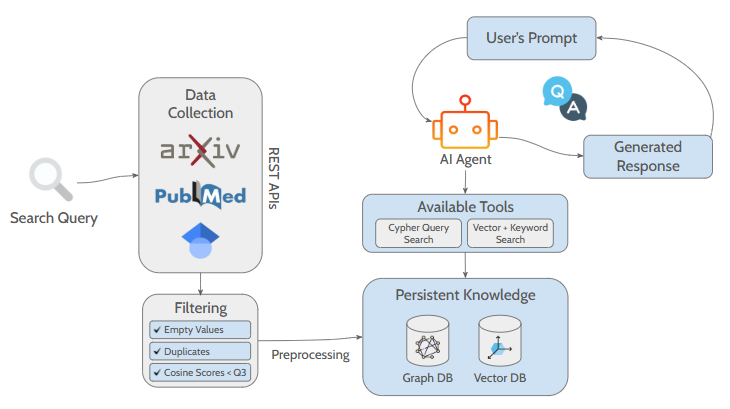
Multi-agent RAG for scientific review; next step is combining structured EHR data with LLM reasoning for perioperative care.
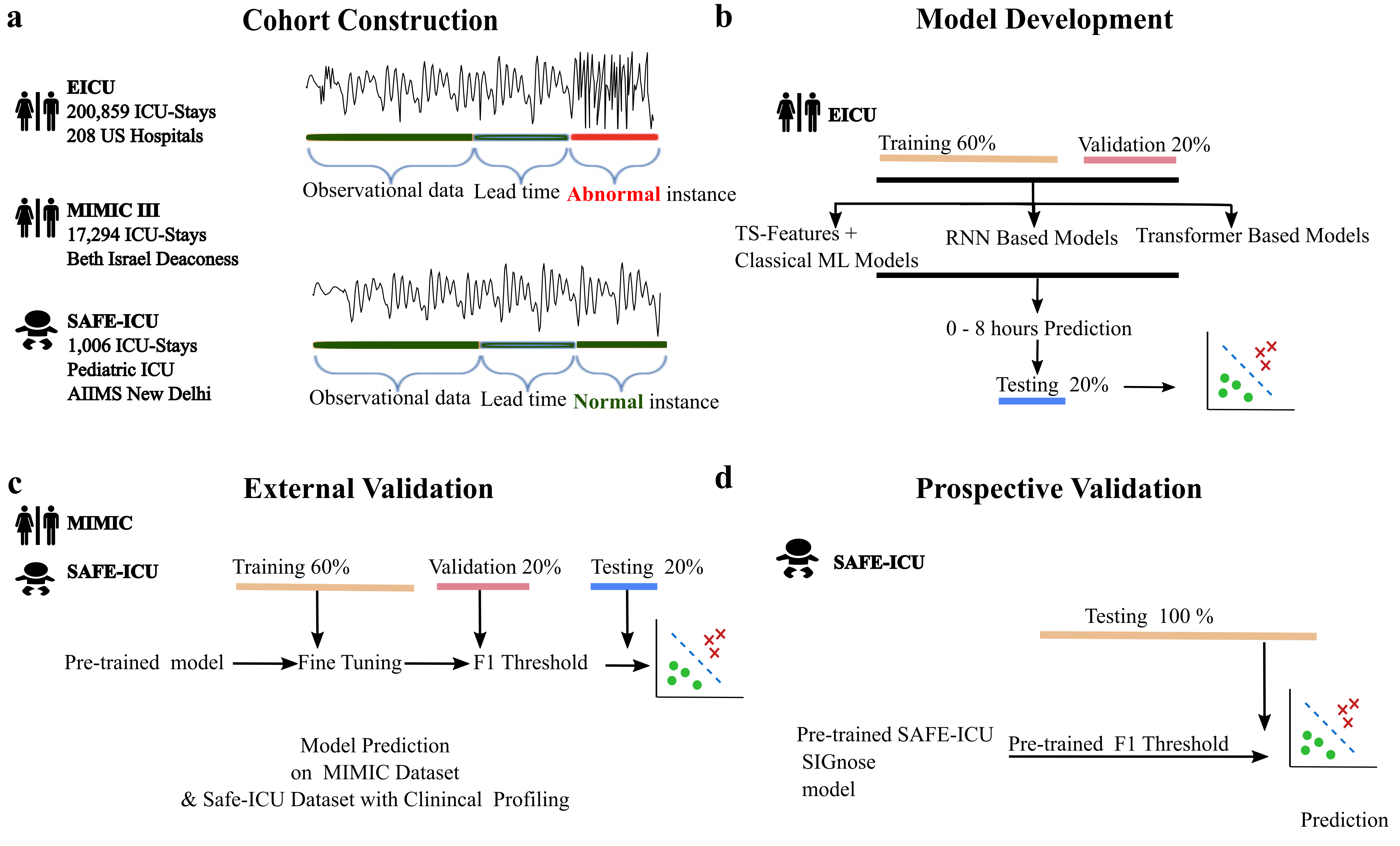
Prospectively validated prediction of hemodynamic shock in resource-limited pediatric ICUs.
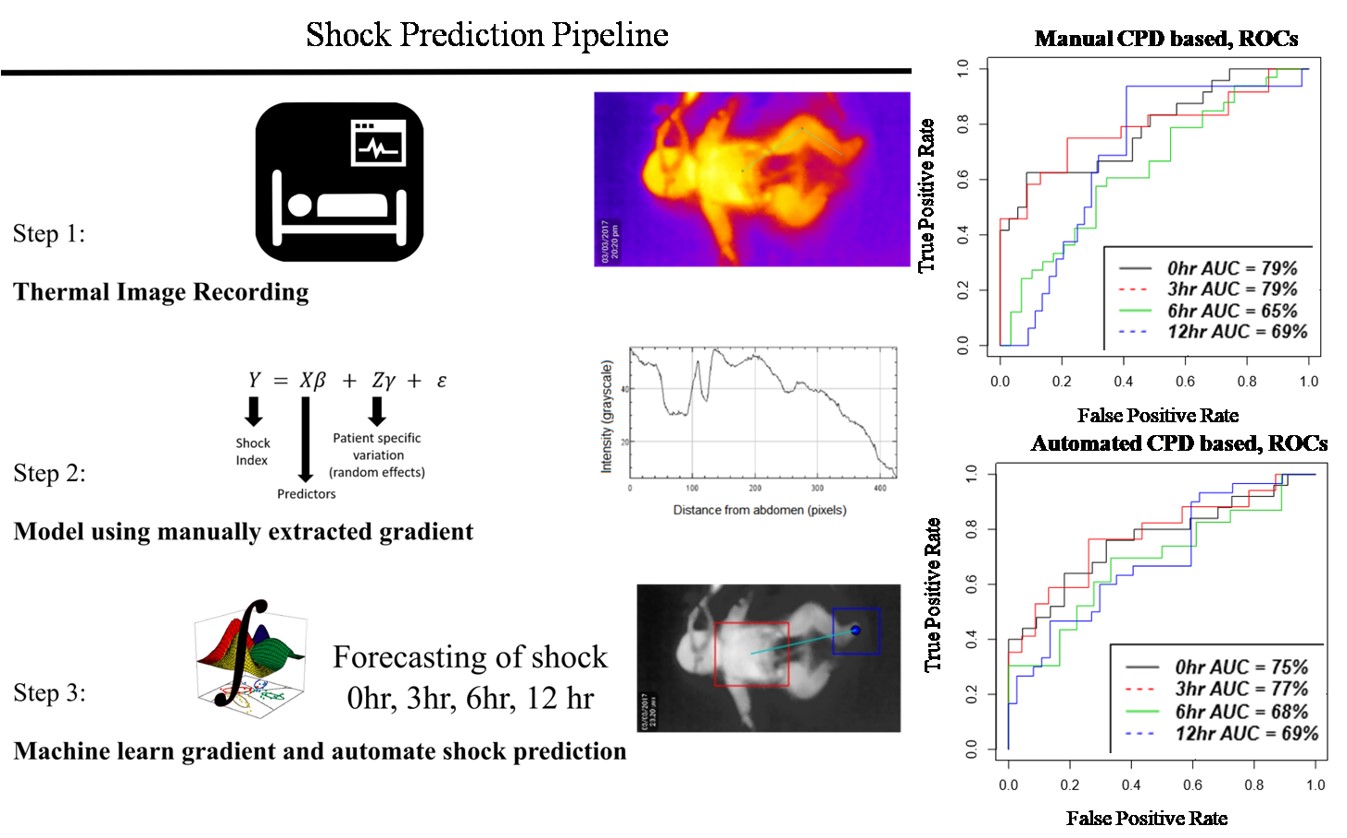
Early detection of hemodynamic shock using thermal videos and deep computer vision models.
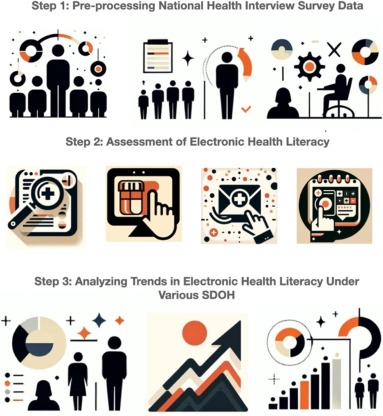
How electronic health literacy intersects with social determinants of health.
Decision support improved value-based imaging RCT. Journal of the American Society of Echocardiography, 2025.
LLM-driven phenotyping of pediatric sepsis cohorts using chart and registry context. AMIA Annual Symposium, 2025.
Thermal imaging and machine learning to predict hemodynamic shock. Scientific Reports, 2019.
Social determinants shaping digital health literacy. Preventive Medicine Reports, 2024.
Physiologic time-series with machine learning to predict hypothermia. Frontiers in Physiology, 2022.
Longitudinal EHR and lung impulse oscillometry to forecast pediatric asthma exacerbations. European Respiratory Journal suppl_64, 2020.
Impact of ambient air pollution on pediatric emergency visits for acute respiratory illness. Environmental Science and Pollution Research, 2021.
Real-world validation of an early warning system for hemodynamic shock. SSRN Working Paper, 2023.
Open to clinical deployments, translational research, and mentoring data scientists.